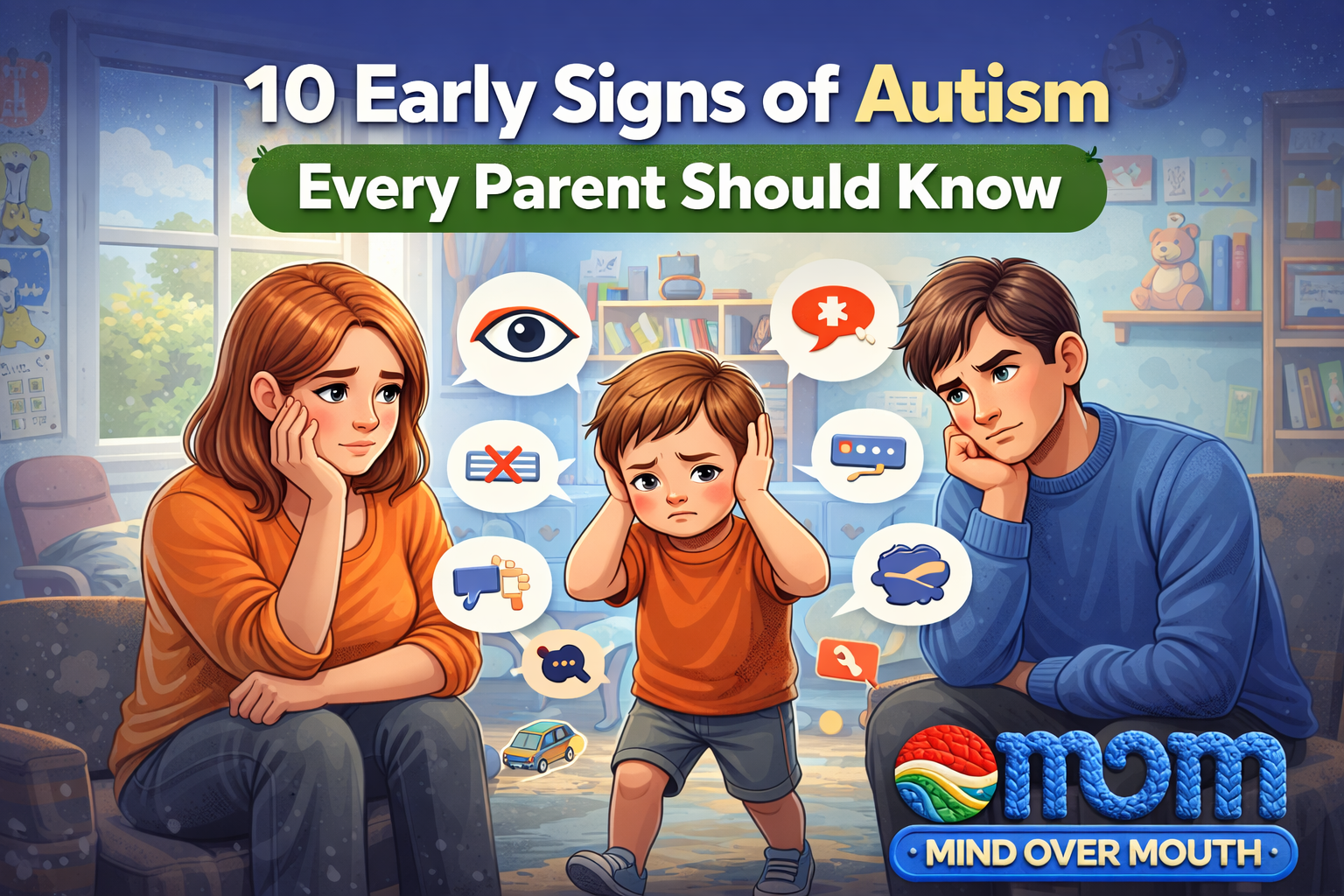
10 Early Signs of Autism Every Parent Should Know
Introduction
Autism Spectrum Disorder (ASD) is a developmental condition that affects a child’s behavior, communication, and social interactions. Early identification plays a crucial role in providing the right support and therapy at the right time.
Since every child develops at their own pace, recognizing early signs of autism can be challenging for parents. However, understanding key behavioral patterns and developmental delays can make a significant difference in your child’s future.
In this blog, we will explore the 10 early signs of autism every parent should know, along with expert insights and guidance from Mind Over Mouth to help you take the right steps early.
What is Autism Spectrum Disorder (ASD)?
Autism Spectrum Disorder (ASD) is a neurological and developmental condition that usually appears in early childhood. It is called a "spectrum" because symptoms and severity vary widely from child to child.
Some children may have mild challenges, while others may require more support in daily life. Early diagnosis and intervention can greatly improve communication, social skills, and overall development.
Why Early Detection is Important
Early detection of autism can:
- Improve communication and language skills
- Enhance social interaction abilities
- Reduce behavioral challenges
- Help children adapt better to school and daily life
- Provide access to early intervention therapies
The earlier a child receives support, the better the long-term outcomes.
10 Early Signs of Autism Every Parent Should Know
1. Lack of Eye Contact
One of the earliest signs of autism is reduced or lack of eye contact. Babies usually make eye contact while feeding, playing, or interacting. Consistent avoidance may be a sign to observe further.
2. Delayed Speech or No Speech
Children with autism may:
- Start speaking later than expected
- Not speak at all
- Lose previously learned words
If your child is not babbling by 12 months or not speaking simple words by 18 months, it may indicate a delay.
3. Limited Social Interaction
Children with autism may:
- Prefer to play alone
- Show little interest in other children
- Avoid social engagement
4. Not Responding to Their Name
Most children respond to their name by 9–12 months. If your child consistently does not respond, it could be an early sign.
5. Repetitive Behaviours
Common repetitive behaviors include:
- Hand flapping
- Rocking back and forth
- Spinning objects
- Repeating words or phrases
6. Difficulty Understanding Emotions
Children may struggle to understand facial expressions, recognize emotions, or express their own feelings, making social interaction challenging.
7. Sensitivity to Sounds, Lights, or Textures
Children may:
- Cover their ears to normal sounds
- Avoid certain clothing or food textures
- Be disturbed by bright lights
8. Lack of Pretend Play
By age 2–3, children usually engage in imaginative play. Children with autism may show little or no interest in such activities.
9. Strong Preference for Routine
Children may become upset when routines change, objects are moved, or daily habits are altered, as they prefer predictability.
10. Unusual Body Movements or Postures
Examples include:
- Walking on tiptoes
- Stiff body posture
- Repetitive hand or finger movements
Common Myths About Autism
Myth 1: Autism is caused by poor parenting
Fact: Autism is a neurological condition, not caused by parenting style.
Myth 2: Children with autism cannot communicate
Fact: Many children can learn communication skills with proper therapy.
Myth 3: Autism can be cured
Fact: Autism cannot be cured, but early intervention improves quality of life.
When Should Parents Seek Help?
You should consult a specialist if your child:
- Shows multiple signs mentioned above
- Has delayed speech or social skills
- Loses previously learned skills
- Displays unusual behaviors consistently
How Mind Over Mouth Can Help
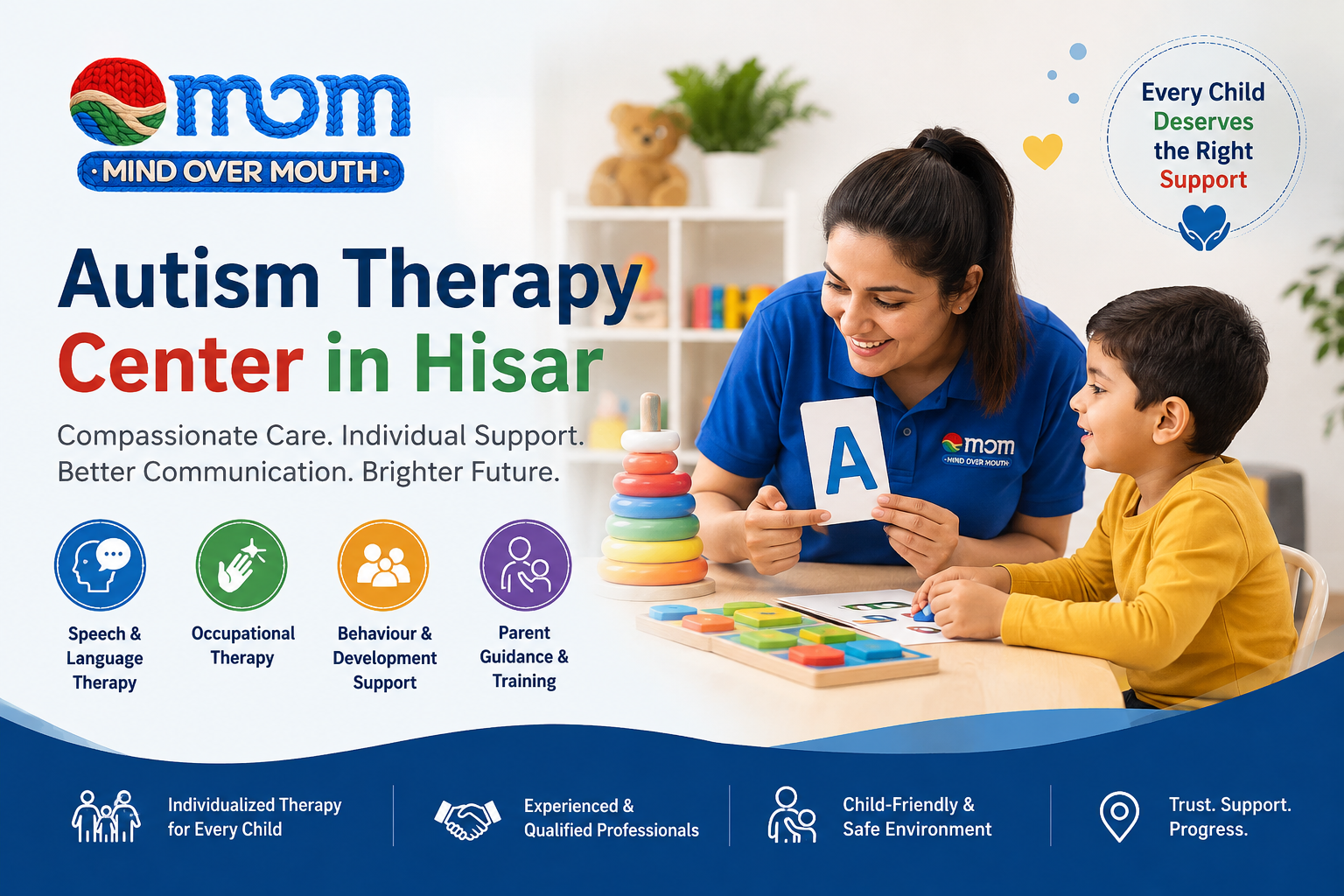
At Mind Over Mouth, we specialize in early identification and intervention for children with developmental challenges, including autism.
Our Services Include:
- Speech Therapy
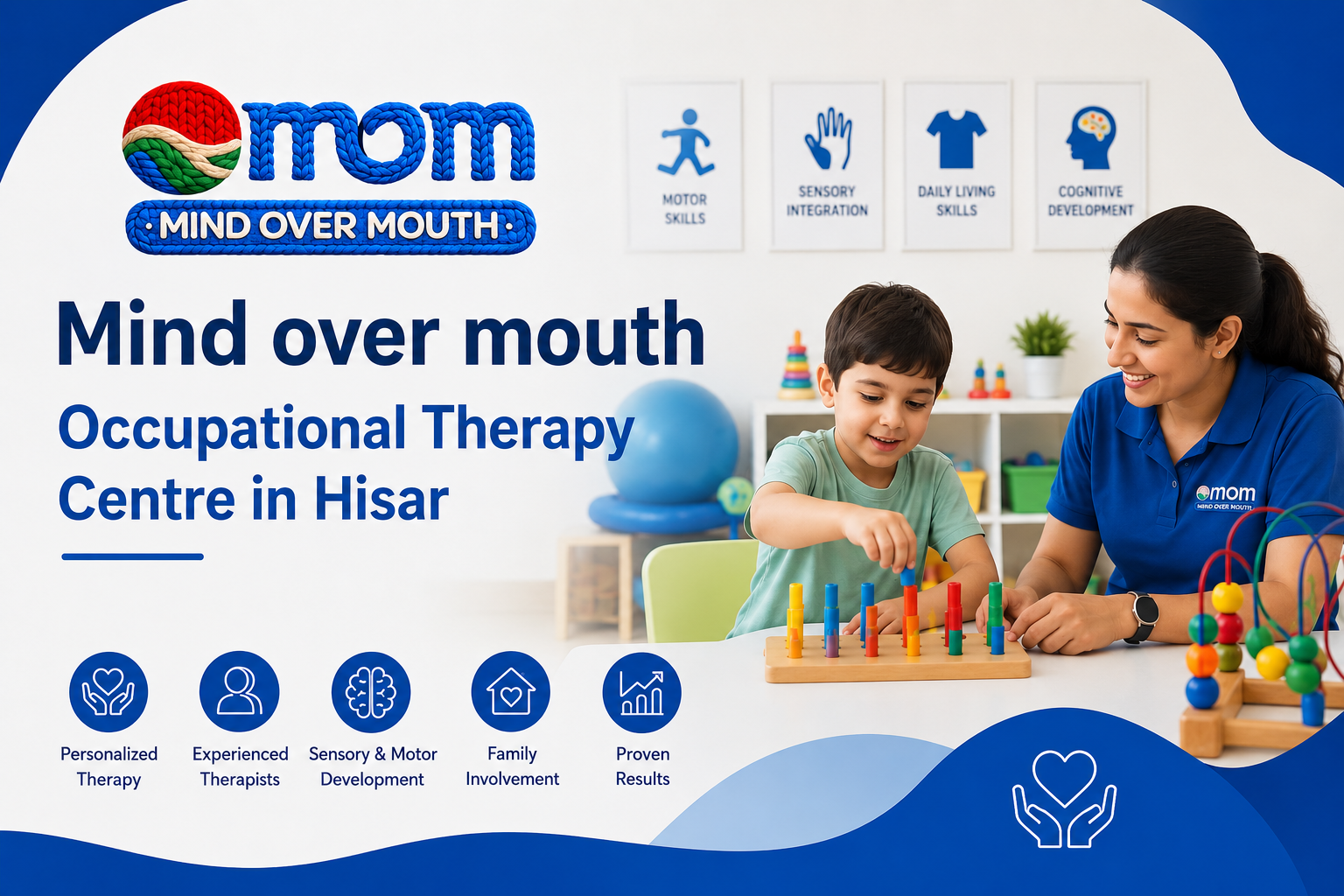
- Occupational Therapy
- Behavioral Therapy
- Social Skills Training
- Parent Guidance Programs
Our expert team focuses on personalized care plans to help children develop communication, social, and life skills effectively.
Tips for Parents to Support Their Child
- Spend quality time interacting with your child
- Encourage communication through play
- Maintain a consistent routine
- Avoid overwhelming sensory environments
- Seek professional guidance early
Importance of Early Intervention
Early intervention can transform a child’s development. With the right support, children can:
- Improve language and communication skills
- Build meaningful relationships
- Gain independence in daily life
- Perform better academically
Conclusion
Recognizing early signs of autism is the first step in helping your child lead a confident and fulfilling life. While it may feel overwhelming, early awareness, expert guidance, and consistent support can make a significant difference.
At Mind Over Mouth, we are committed to supporting children and families with compassionate and professional care. If your child shows any signs, do not delay—early action can change their future.