Motor Skills Therapy
Building Coordination, Strength & Independence
Motor skills help children move, play, learn, and take part in everyday activities. From holding a pencil and using scissors to running, climbing, and maintaining balance, children use motor skills throughout their day. When these skills are difficult, they may affect a child's confidence, participation, coordination, and independence.
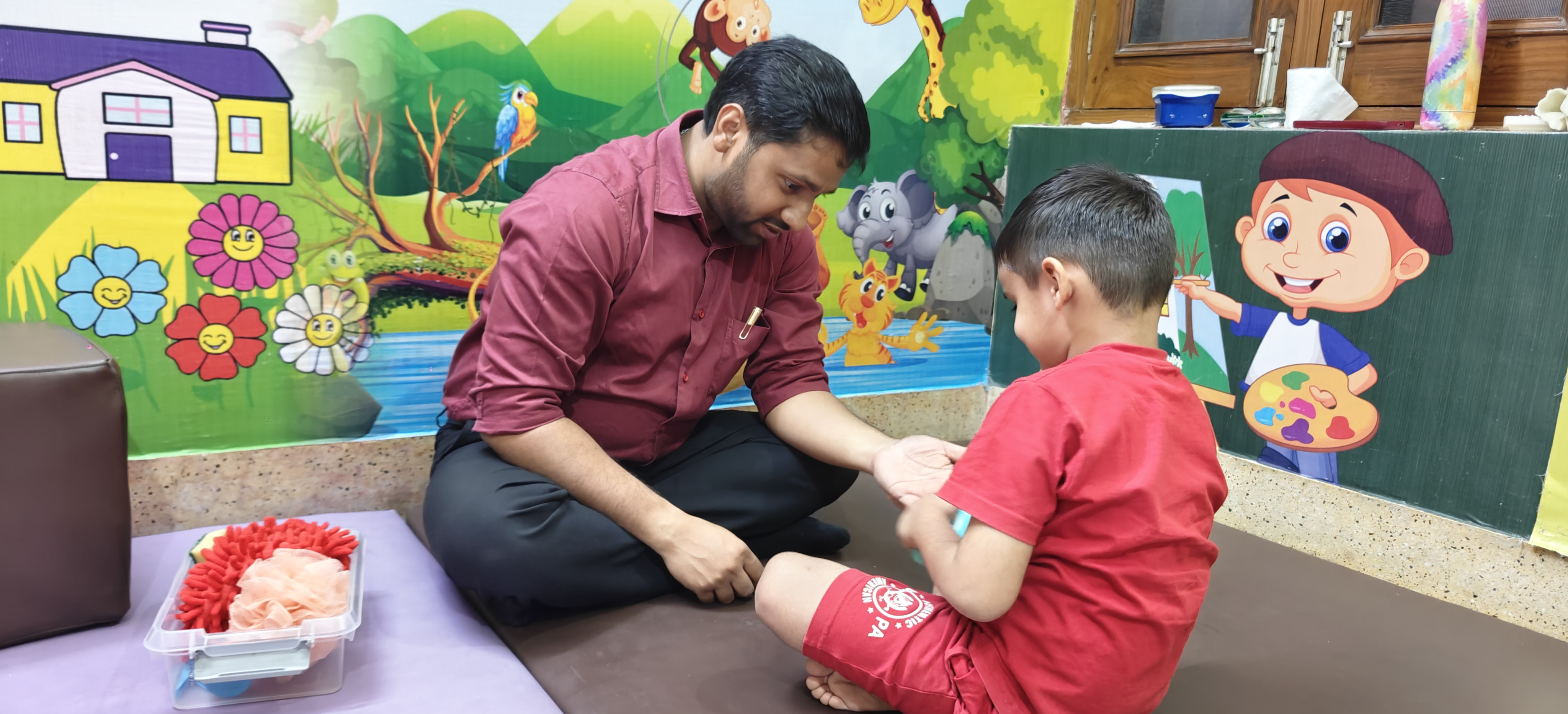
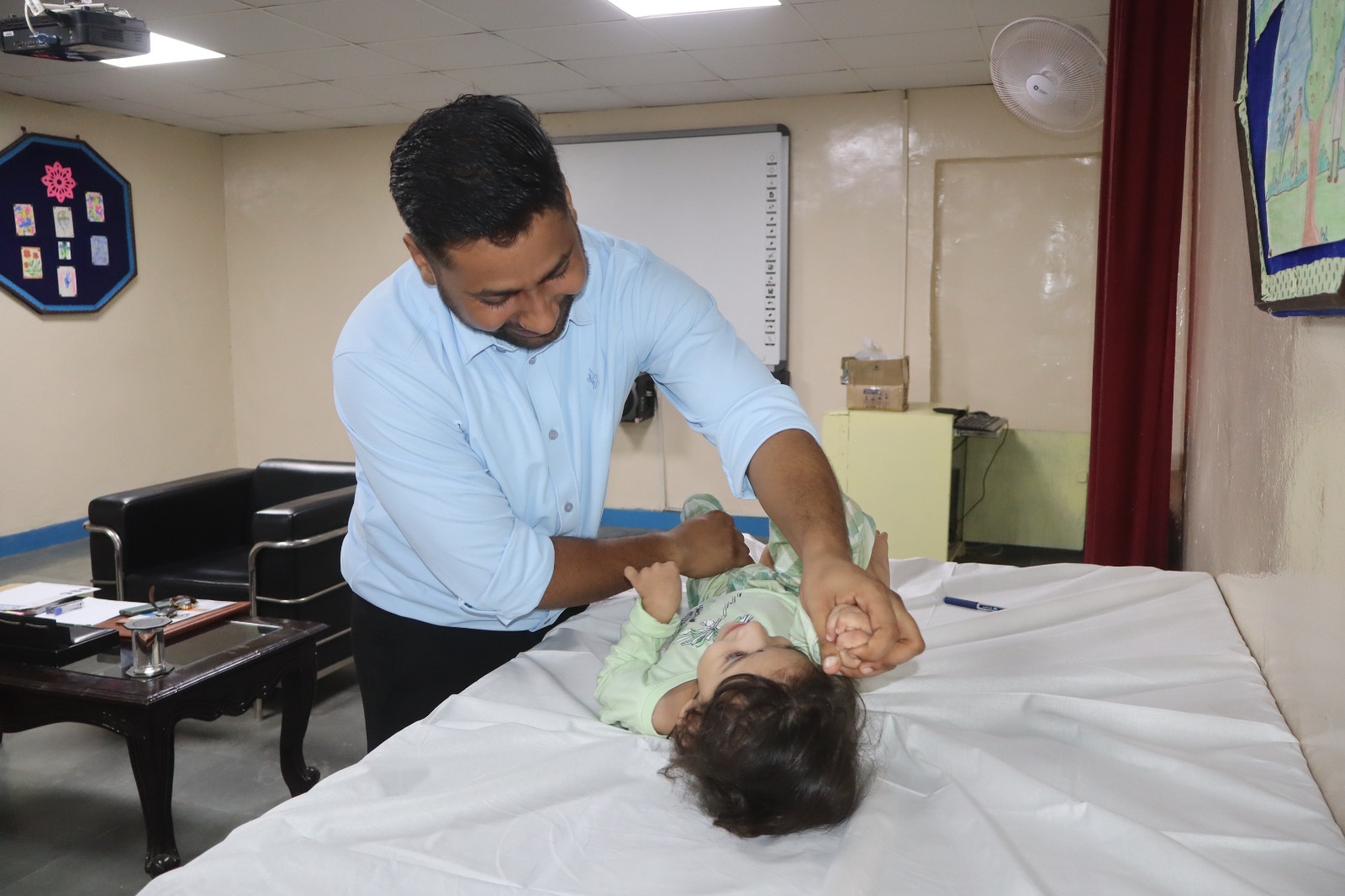
At Mind Over Mouth, Motor Skills Therapy focuses on helping children develop the physical and coordination skills they need for everyday life. Our approach is personalized to each child's abilities, developmental needs, and individual goals, using engaging activities that make learning enjoyable.
What Is Motor Skills Therapy?
Motor Skills Therapy helps children develop and strengthen the skills needed to control and coordinate their body movements. It may focus on both fine motor skills, which involve smaller movements of the hands and fingers, and gross motor skills, which involve larger movements of the body.
Therapy aims to help children become more confident and independent in activities such as writing, drawing, dressing, playing, climbing, running, and everyday self-care.
How Can Motor Skills Therapy Help?
Depending on the child's individual needs, therapy may support:
- Hand-eye coordination – helping children coordinate what they see with their hand movements.
- Fine motor skills – developing control and strength in the hands and fingers.
- Gross motor skills – supporting larger body movements such as running, jumping, and climbing.
- Balance and coordination – helping children move their bodies with greater control.
- Hand strength – supporting activities that require grasping, holding, and manipulating objects.
- Motor planning – helping children understand and organize movements to complete activities.
- Visual-motor skills – supporting tasks that require the eyes and hands to work together.
- Independence – helping children participate more confidently in everyday activities.
Signs Your Child May Benefit From Motor Skills Therapy
Children develop at different rates, but you may consider professional guidance if your child:
- Has difficulty holding a pencil, crayon, or other writing tools
- Struggles with drawing, colouring, or pre-writing activities
- Finds using scissors, buttons, zippers, or other tools challenging
- Has difficulty catching, throwing, or kicking a ball
- Appears less coordinated during running, jumping, or climbing
- Has difficulty maintaining balance
- Gets tired quickly during activities that require hand or body control
- Needs extra help with dressing, feeding, grooming, or other self-care activities
- Avoids physical or fine-motor activities because they feel difficult
Our Approach to Motor Skills Therapy
At Mind Over Mouth, we believe children learn best when therapy feels engaging, encouraging, and meaningful. Activities are selected according to the child's strengths, developmental level, interests, and individual goals.
Understanding Your Child's Needs
We begin by understanding the child's current motor abilities and identifying the areas where additional support may help them participate more comfortably in everyday life.
Personalized Goals
Therapy goals are tailored to the individual child and may focus on skills needed for home, school, play, or self-care.
Play-Based Activities
We use age-appropriate and engaging activities to work on coordination, strength, balance, control, and motor planning while keeping children motivated to participate.
Supporting Everyday Independence
The focus goes beyond practising a particular movement. We aim to help children use their developing skills in real-life activities at home, school, and during play.
Parent Guidance
Parents are an important part of a child's progress. We provide practical ideas and strategies that can help families encourage motor development through everyday activities and play.
Fine Motor & Gross Motor Skills
Fine Motor Skills
Fine motor skills involve the smaller muscles of the hands and fingers. These skills are important for activities such as writing, drawing, colouring, using scissors, buttoning clothes, and handling small objects.
Gross Motor Skills
Gross motor skills involve larger movements of the body and are important for walking, running, jumping, climbing, balancing, and participating in physical play.
Both fine and gross motor skills contribute to a child's ability to participate confidently and independently in everyday activities.
Why Choose Mind Over Mouth?
- Personalized therapy plans
- Child-friendly and engaging sessions
- Focus on functional everyday skills
- Support for fine and gross motor development
- Individual developmental goals
- Parent involvement and guidance
Helping Children Move, Learn & Grow With Confidence
Every child develops motor skills at their own pace. With the right support and opportunities to practise, children can build better coordination, control, confidence, and independence.
Have concerns about your child's motor skills or everyday activities? Talk to the Mind Over Mouth team to understand how we can support your child's development.
Book a Consultation